
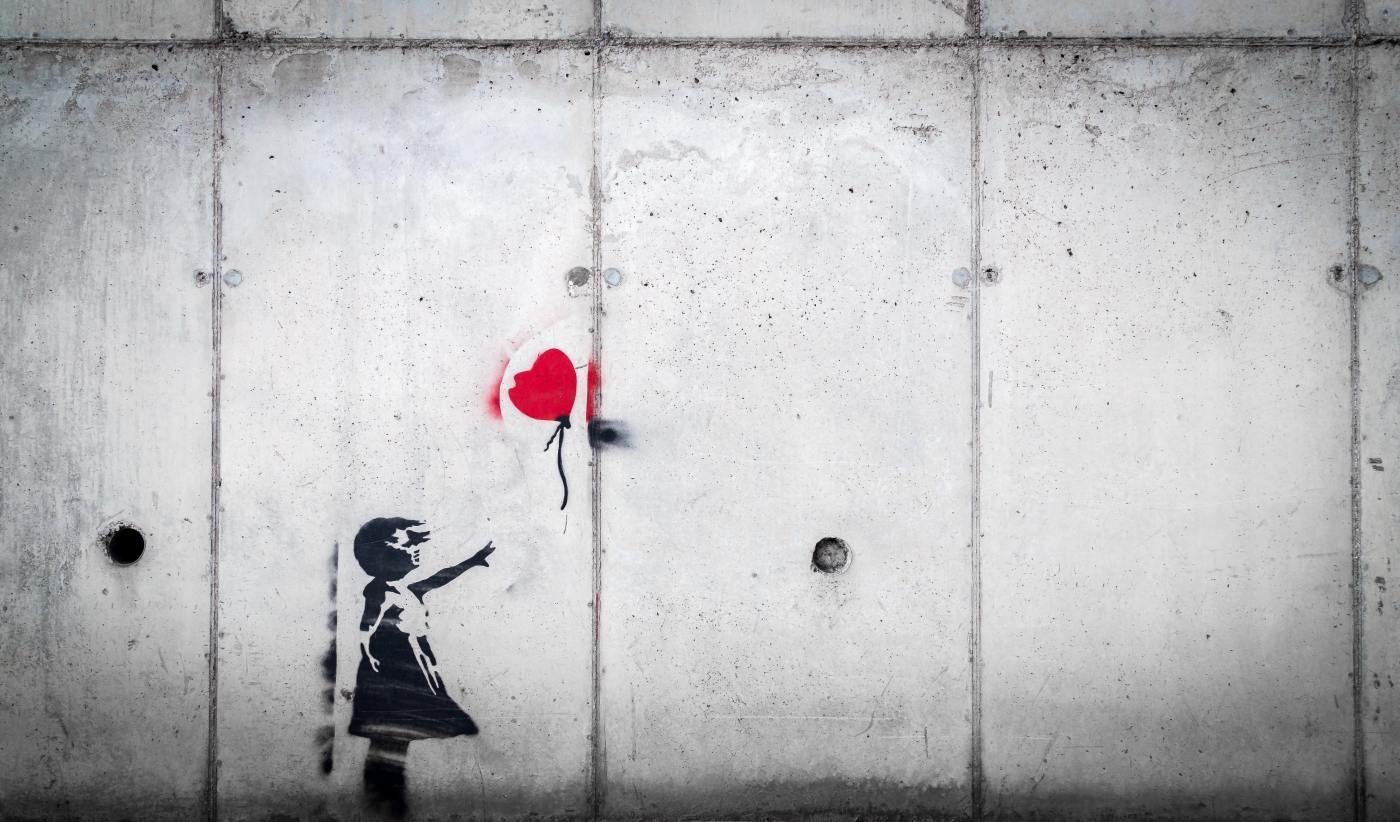
For what is forgiveness but the ultimate act of selfishness?
It’s common knowledge that people who become an important part of our lives will at some point – almost inevitably – hurt us. And do so very badly.
Pain and loss are part of the human experience, but it hurts a lot more when we lose someone of their own volition. When someone we love and trust with all our heart chooses to let us go, it’s not just the “missing them” bit that hurts. It’s also our pride, our ego, our confidence, our faith in ourselves, everything suffers. We start to wonder what we did wrong and what we could have done differently to prevent this from happening, and we see the flaws in ourselves that may indeed be true, but suddenly they’re 1000% more pronounced and 1000% heavier…
It’s like having the ground fall from underneath our feet, and it sucks.
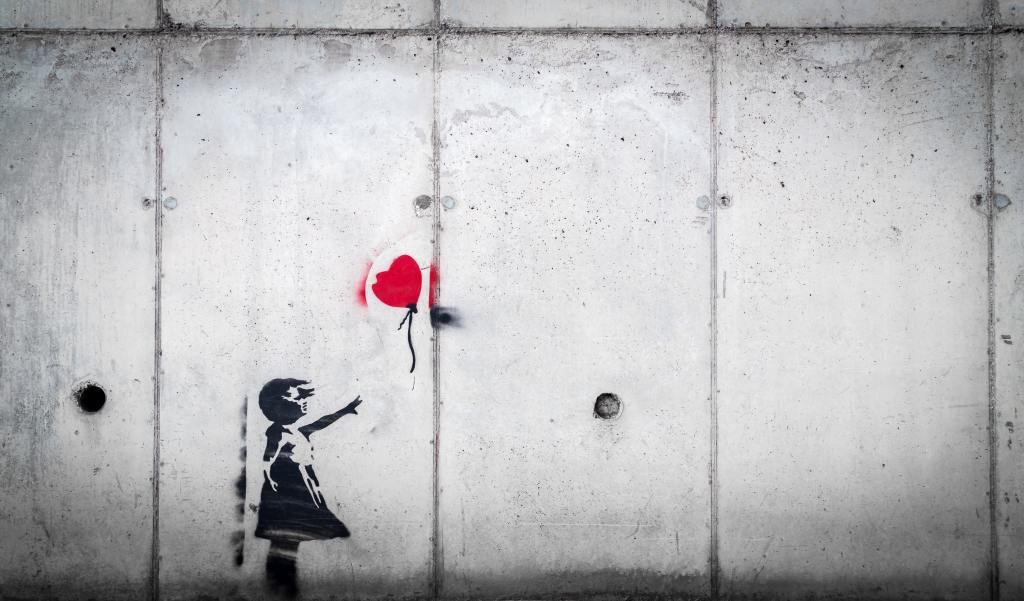
That’s okay, though, because one day, eventually, we’ll move on.
Forgive and forget they say. Well…
To be fair, most of us never truly forgive, and even when we do, it’s an act of pure selfishness, especially in those cases where our initial reaction is something like “DAMN YEAH HARD FEELINGS, MAN!!!“, or alternatively, something like squatting down crying in a corner of our bathtub on a Saturday night, sobbing silently to All by myself; I wouldn’t know, apparently some people do that, or so I’m told, no personal experience in the matter.
In any case, letting go of the anger and the hate? It’s not an easy thing to do. We need something in return, something of equal or greater value to replace the obsession of the hatred and the pain. It’s not because we care about the other person’s soul that we let go, or because we suddenly understand them, or because we see the light and agree with their actions.
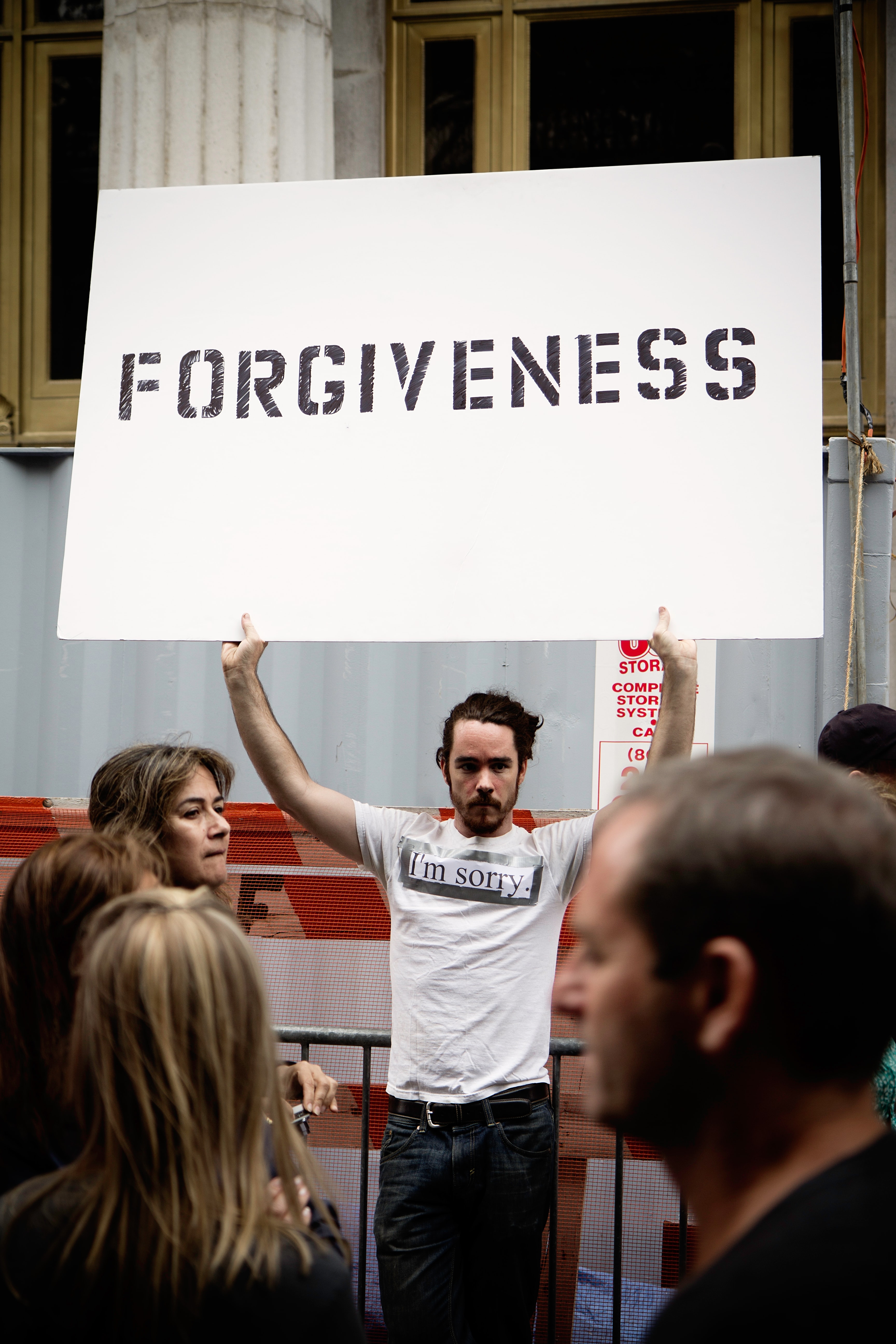
Plainly put, forgiveness is a way to seize authority over a negative situation that was previously beyond our control.
On the one hand, it makes us feel better about ourselves: we decided to take the initiative to let go and forgive, so we must be really grand; it makes us feel that we’re better than the other person.
More importantly, the anger/pain is further alleviated by the thought that the person who once caused us to experience so many (negative) feelings, no longer has power over us. What could be worse for someone who’s wronged us, than to say to them that their actions no longer affect us? That it’s okay, and we forgive them, and the harm they previously inflicted no longer holds sway over us? We render them powerless, weak.
Most importantly, it doesn’t matter if this interaction happens in real life or in our heads. In fact, it’s sometimes better to just walk away and forgive silently, far away from the people who hurt us.
Offering forgiveness rarely goes as desired in real life. Few people can have honest, heartfelt conversations, and most people hide behind defensiveness without realising: We are loath to see the harm we do.
So, it might be better to just leave and forgive. Usually, the effect is just as therapeutic…
The Cactus
 The Creative Cactus
Leave a comment